
This post contains affiliate links. As an Amazon Associate, I earn from qualifying purchases at no extra cost to you.
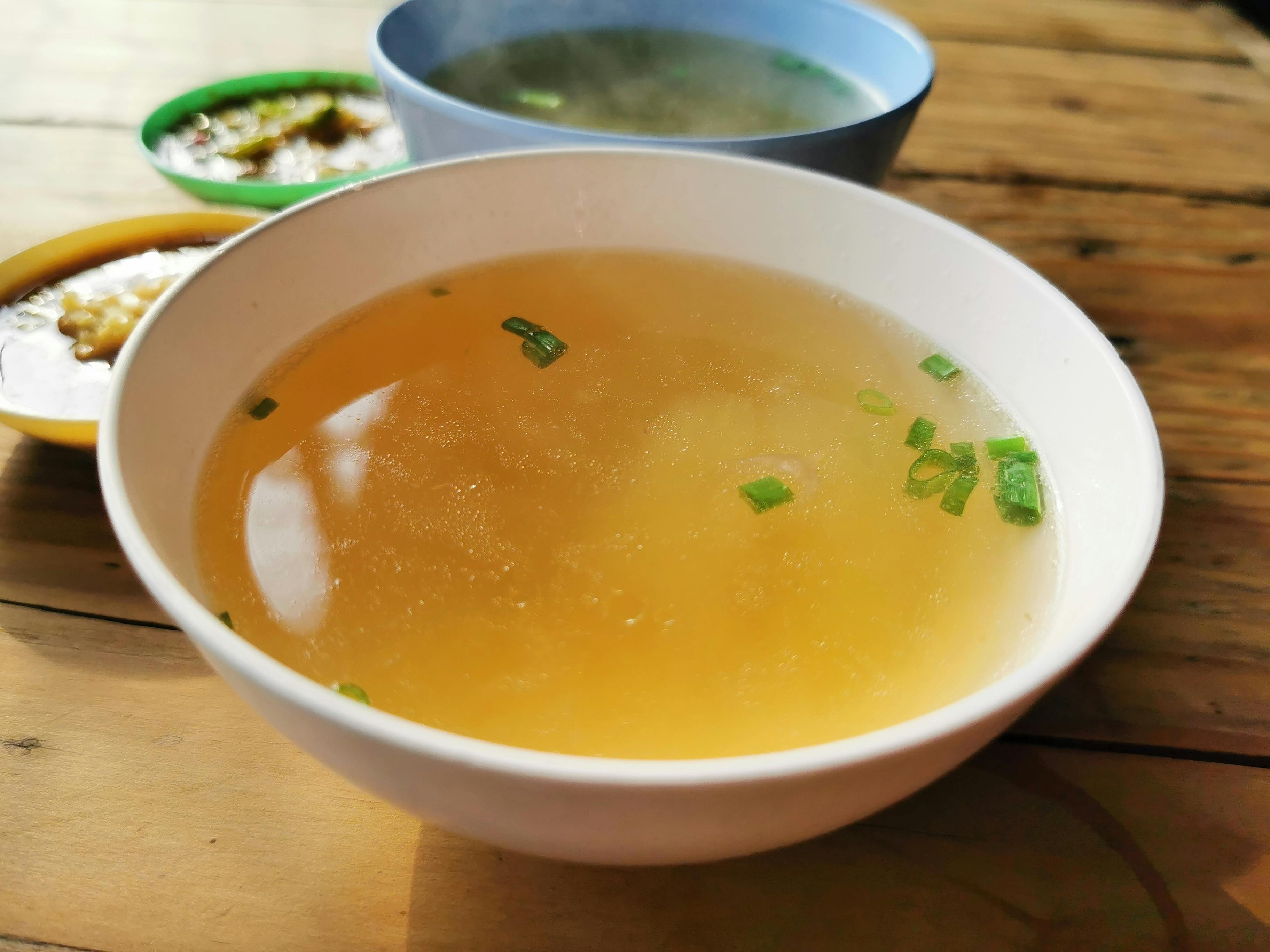
Winter invites us to slow down, turn inward, and nourish the body more deeply. As colder months place greater demands on our energy reserves, the foods we choose matter more than ever. Bone broth has long been valued across cultures as a warming, restorative staple — especially during winter.
In Traditional Chinese Medicine, it aligns closely with Jing, the body’s foundational essence responsible for long-term vitality and resilience. Rich, slow-simmered, and deeply nourishing, bone broth offers a simple, grounding way to support your energy, health, and strength through the winter season and beyond!
Why Winter Is the Season For Deep Nourishment

Winter is not the season for extremes. As daylight shortens and temperatures drop, the body naturally turns inward, prioritizing repair, conservation, and restoration. Many traditional healing systems recognize winter as a time to slow down, eat warming foods, and rebuild internal reserves rather than burn energy outward.
In Traditional Chinese Medicine (TCM), winter is associated with the Kidneys and the body’s deepest stores of vitality. This makes nourishment especially important, as poor habits during colder months can quietly deplete energy that’s meant to last long-term. Cold, raw, or highly processed foods can be harder for the body to assimilate during this time.
Bone broth fits winter perfectly because it is warm, mineral-rich, and slow-cooked. It supports the body without overstimulating it, offering gentle, steady nourishment. Rather than forcing energy, bone broth helps you preserve it — which is exactly what winter asks of us.
What Is Jing, and Why Does It Matter in Winter?

In TCM, Jing, often translated as “Essence,” is considered the body’s most foundational form of energy. It governs growth, development, fertility, aging, and overall vitality. You can think of Jing as your deepest reserve — not something meant to be spent recklessly, but carefully protected and replenished over time.
We are born with a certain amount of Jing, but lifestyle, stress, overwork, poor sleep, and inadequate nourishment can slowly drain it. Winter is the season most closely tied to Jing because it is a time of storage rather than output. Supporting Jing now helps set the tone for energy, resilience, and health throughout the year.
Nourishing Jing doesn’t mean quick fixes or stimulants. It means warmth, rest, and deeply restorative foods. Bone broth has long been valued in traditional diets for this exact reason — it supports Essence gently and sustainably.
How Bone Broth Supports Jing and Whole-Body Vitality

Bone broth is more than a trendy wellness staple, as it’s a food that aligns beautifully with the principles of Jing nourishment. Made by slowly simmering bones, connective tissue, and minerals, bone broth extracts what TCM would describe as the “essence” of the ingredients over time.
This slow cooking process mirrors how Jing is supported: patiently, gently, and consistently. Bone broth provides amino acids, collagen, gelatin, and minerals that support joints, digestion, skin, and the nervous system — all areas closely tied to long-term vitality rather than short-term energy.
From a TCM perspective, bone-based foods are believed to support the Kidneys, which house Jing. From a modern lens, bone broth is easy to digest and deeply nourishing, especially when appetite or digestion feels weaker in winter.
For convenience, a high-quality pre-made bone broth can be a great option. Look for grass-fed, organic broths with long simmer times and no additives or flavor enhancers.
Simple Winter Bone Broth Recipe (Slow Cooker Method)

If you’d rather make broth yourself, this slow cooker bone broth is warming, mineral-rich, and ideal for winter when the body benefits most from gentle, sustained nourishment. The long cooking time allows the deeper essence of the bones to be fully extracted, aligning beautifully with Jing-supportive principles.
Ingredients
- 2–3 pounds beef or chicken bones (grass-fed or pasture-raised when possible)
- 10–12 cups filtered water
- 1–2 tablespoons apple cider vinegar
- 1 small onion, roughly chopped (optional)
- 2–3 cloves garlic, smashed (optional)
- 1–2 inches fresh ginger, sliced (optional, for warmth)
- Sea salt, to taste (added after cooking)
Instructions
- Place bones in a slow cooker and cover with filtered water.
- Add apple cider vinegar and let sit for 20–30 minutes to help draw minerals from the bones.
- Add optional aromatics, then cook on low for 12–24 hours.
- Strain the broth, discard solids, and season with sea salt.
- Store in glass jars in the refrigerator for up to 5 days or freeze for later use.
The information provided in this article is for educational purposes only and is not intended as a substitute for professional medical advice, diagnosis, or treatment. Always seek the guidance of your physician or other qualified health provider with any questions you may have regarding a medical condition. Never disregard professional medical advice or delay in seeking it because of something you have read in this article.
Leave a Reply