
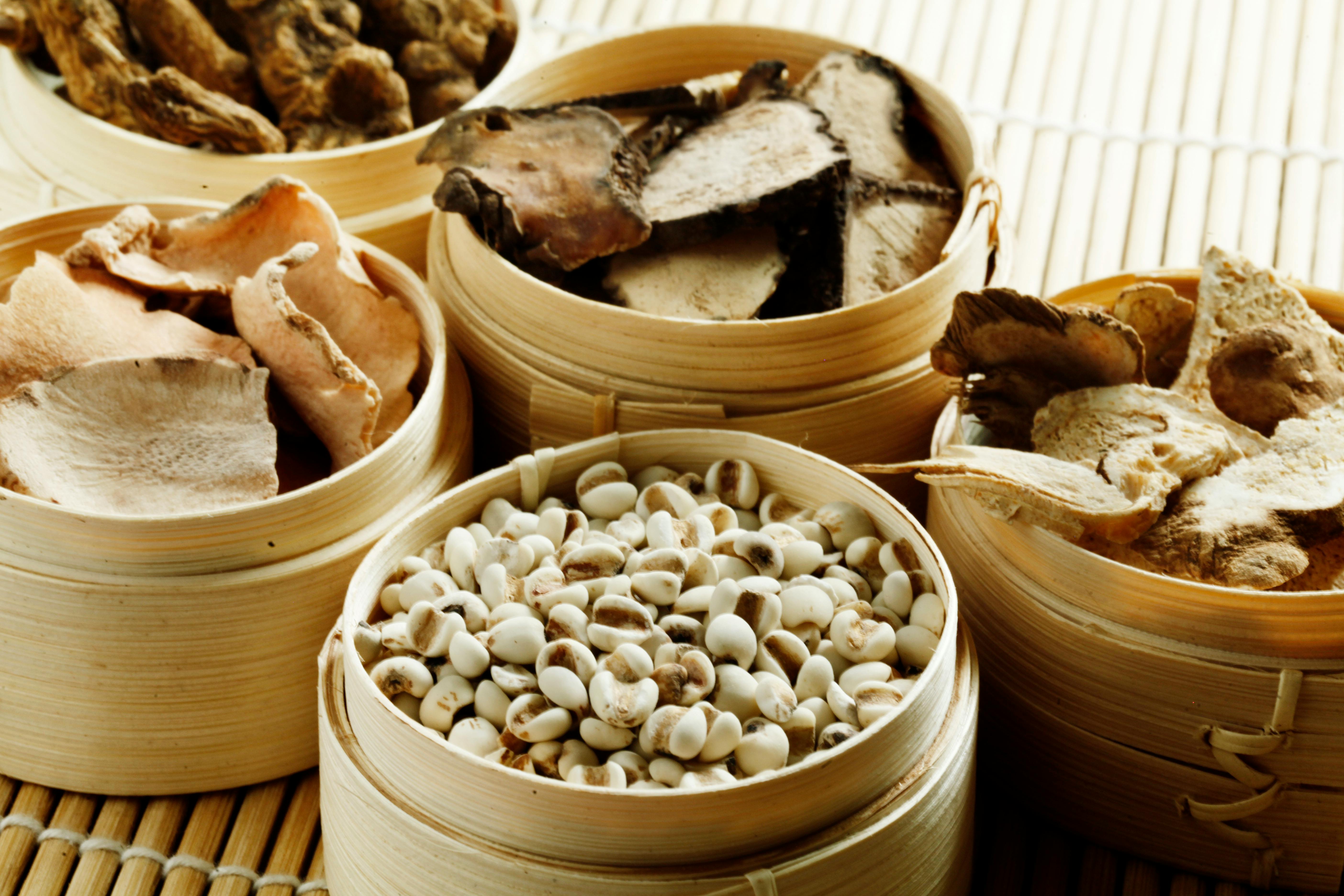
Chinese herbal medicine is a cornerstone of Traditional Chinese Medicine (TCM), offering a holistic approach to health that has been practiced for thousands of years. Unlike Western medicine, which often targets specific symptoms, Chinese herbs aim to restore balance within the body and support overall well-being by getting to the root of the symptoms.
With formulas tailored to each individual, herbs are used to address a wide range of issues, from digestive problems and stress to fatigue and sleep disturbances. While many people find them beneficial, questions about safety, effectiveness, and who should use them are common. Keep reading this guide as we explore the basics, benefits, and precautions of Chinese herbal medicine!
What is Chinese Herbal Medicine?

Chinese herbal medicine is a key pillar of Traditional Chinese Medicine (TCM), a holistic healthcare system developed over thousands of years. Instead of focusing on diagnosing disease by name, TCM looks at patterns of imbalance in the body—such as deficiencies, excesses, or disruptions in circulation—and uses herbs to help restore equilibrium. The goal is to support the body’s ability to regulate itself rather than target a single symptom in isolation.
Herbs are rarely used alone. Most prescriptions involve carefully constructed formulas containing multiple herbs that work together to enhance effectiveness and reduce side effects. These formulas may be adjusted over time as symptoms change, making treatment highly individualized.
Chinese herbal medicine is used worldwide today, often alongside conventional care. According to the NIH, “Herbal treatment is among the most commonly used of the complementary and alternative medicine (CAM) therapies, and many of the used herbs originate from TCM. In 2002, 2007, and 2012, the percentages of American adults who used any CAM approach in the past 12 months were 32.3%, 35.5%, and 33.2%, respectively. In France and Germany, two European countries with a higher prevalence, those values reached 49% and 46%, respectively [24], while in Australia it was about 52% [26], and in Singapore nearly 76%.”
How Are Chinese Herbs Traditionally Used?

Traditionally, Chinese herbs are prescribed only after a thorough assessment by a trained practitioner. This evaluation includes questions about digestion, sleep, stress, energy levels, and menstrual or bowel habits, along with tongue and pulse analysis. These observations help identify the individual’s underlying pattern rather than focusing on a diagnosis alone.
Once a pattern is identified, the practitioner selects a specific combination of herbs designed to work synergistically. These formulas are often taken as teas (decoctions), powders, capsules, or liquid extracts, depending on the person’s needs and lifestyle. Adjustments are made as symptoms improve or shift.
Herbal therapy is frequently combined with acupuncture, dietary guidance, and lifestyle changes. This integrated approach reflects TCM’s emphasis on treating the whole person rather than just managing symptoms.
Is Chinese Herbal Medicine Safe?

Chinese herbal medicine is generally considered safe when prescribed by a qualified professional and sourced from reputable suppliers. Many commonly used herbs have long histories of use and are well tolerated when used appropriately. Problems tend to arise when herbs are self-prescribed, improperly dosed, or contaminated with undeclared ingredients.
Safety concerns reported in the media often involve poor-quality products or misuse rather than traditional practice itself. Risks can increase when herbs are taken without professional oversight or combined with medications without proper guidance. Some herbs may interact with prescription drugs or be unsuitable for certain health conditions.
Working with a trained practitioner ensures formulas are tailored, monitored, and adjusted as needed. Transparency with your healthcare providers further reduces risk and supports safe, coordinated care.
Who Should (and Shouldn’t) Use Chinese Medicine?

Chinese herbal medicine may be helpful for people dealing with chronic concerns such as digestive issues, stress, fatigue, sleep problems, or recurring imbalances that haven’t fully responded to conventional approaches. It can also serve as supportive care alongside Western medicine when properly coordinated.
However, Chinese herbal medicine is not appropriate for everyone. Pregnant or breastfeeding individuals, people with liver or kidney disease, and those taking multiple medications should use herbs only under professional supervision. Certain populations require extra caution due to potential interactions or sensitivity.
Self-prescribing, using herbs from unverified sources, or following online recommendations increases the risk of side effects. Professional guidance is essential for safe use. When used thoughtfully, Chinese herbal medicine can be a valuable tool, but it should never replace appropriate medical care if that option is more suitable for your health concern.
Frequently Asked Questions
What is the most powerful Chinese herb?
There isn’t a single “most powerful” Chinese herb because Chinese herbal medicine is based on balance, not strength. Different herbs are chosen for different patterns and needs. What’s powerful for one person or condition may be inappropriate—or even harmful—for another.
What to avoid when taking Chinese herbs?
When taking Chinese herbs, avoid self-prescribing, mixing them with medications without guidance, and using low-quality or unverified products. Certain foods, alcohol, and supplements may interfere with how herbs work. Always follow professional instructions and inform your healthcare provider to reduce the risk of side effects or interactions.
Are Chinese herbs hard on the liver?
Chinese herbs are not inherently hard on the liver when properly prescribed and sourced. Liver issues are usually linked to misuse, contamination, or inappropriate formulas. Working with a trained practitioner and using high-quality herbs greatly reduces risk and helps ensure the herbs support overall health rather than cause harm.
The information provided in this article is for educational purposes only and is not intended as a substitute for professional medical advice, diagnosis, or treatment. Always seek the guidance of your physician or other qualified health provider with any questions you may have regarding a medical condition. Never disregard professional medical advice or delay in seeking it because of something you have read in this article.
Leave a Reply