
Acupuncture has been used for thousands of years, yet many people still aren’t sure what actually happens during a treatment. Some see it as a powerful wellness tool, while others wonder whether it’s backed by real science or just another health trend.
The truth is that acupuncture sits in an interesting space between traditional medicine and modern research. While scientists are still studying exactly how it works, there is growing evidence that acupuncture can create measurable changes in the body. Keep reading to learn more and see if acupuncture would be a fit for you!
What is Acupuncture?

Acupuncture is a treatment that involves placing extremely thin needles into specific points on the body. It originated in traditional Chinese medicine, where practitioners believed these points influenced the body’s flow of energy, or “Qi.” Today, many modern acupuncturists still respect those traditional concepts while also understanding acupuncture through anatomy, nerves, muscles, and circulation.
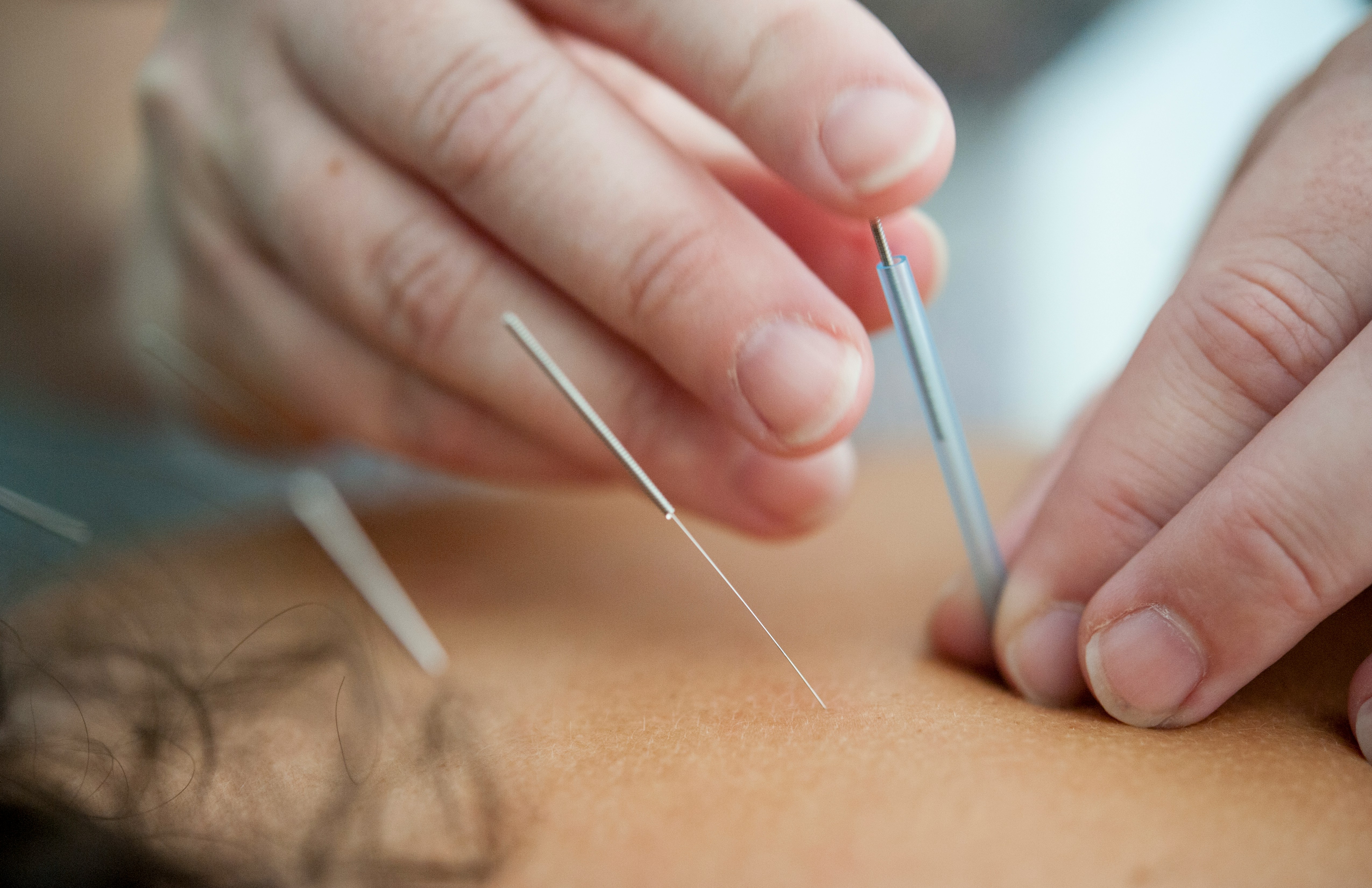
The needles used in acupuncture are very different from the needles used for injections or blood draws. They are hair-thin, flexible, and designed to stimulate tissue rather than inject anything into the body. Most treatments involve anywhere from 5 to 20 needles that stay in place for about 15 to 30 minutes.
Modern researchers believe acupuncture may work by stimulating the nervous system, increasing blood flow, and influencing chemicals involved in pain and stress responses. In other words, the treatment is not simply “doing nothing” to the body. Even people who are skeptical of traditional explanations often notice physical effects such as muscle relaxation, reduced tension, or a sense of calm after treatment.
Because of this, acupuncture has gradually become more accepted in hospitals, sports medicine clinics, and pain management programs around the world.
What Happens in Your Body During Acupuncture?

When an acupuncture needle enters the skin, it creates a small amount of stimulation in the surrounding tissue. That stimulation sends signals through nerves to the spinal cord and brain. Researchers believe this can influence how the body processes pain, stress, inflammation, and muscle tension.
One of the most studied effects of acupuncture is its influence on the nervous system. Some studies suggest acupuncture may encourage the release of endorphins, which are natural chemicals that help reduce pain and improve mood. It may also affect neurotransmitters involved in stress and relaxation.
The science surrounding acupuncture is still developing, but major health organizations acknowledge that measurable effects are occurring. The National Center for Complementary and Integrative Health states that “Research has shown that acupuncture may be helpful for several pain conditions, including back or neck pain, knee pain associated with osteoarthritis, and postoperative pain. It may also help relieve joint pain associated with the use of aromatase inhibitors, which are drugs used in people with breast cancer.”
These are a few examples of why acupuncture is increasingly being included in integrative healthcare settings.
Acupuncture may also increase circulation in targeted areas. Better blood flow can help deliver oxygen and nutrients to muscles and tissues, which may explain why many people seek acupuncture for tight muscles, chronic pain, or recovery support.
Interestingly, acupuncture often shifts the body into a more relaxed state. Many patients feel sleepy, calm, or mentally clear after a session. This may be related to activation of the parasympathetic nervous system, commonly called the “rest and digest” state. For people who constantly feel tense or overstimulated, that alone can feel significant.
What Does Acupuncture Feel Like?

One of the biggest misconceptions about acupuncture is that it feels like getting dozens of painful shots. In reality, most people are surprised by how little the needles hurt. Because acupuncture needles are so thin, many people barely feel them enter the skin at all.
Once the needle is inserted, you may notice sensations like warmth, tingling, heaviness, pressure, or a dull ache around the area. Acupuncturists often consider these sensations normal signs that the body is responding to the treatment, and they are associated with the Qi being activated by the needle and flowing through the body. Sharp pain is not typically the goal, so let your practitioner know if you feel discomfort, and they will adjust the needle accordingly.
A typical appointment is also much calmer than people expect. Many clinics use dim lighting, quiet music, and a relaxed environment. After the needles are placed, patients usually lie still for 15 to 30 minutes. Some people even fall asleep during treatment.
The experience can also vary depending on why you are receiving acupuncture. Someone being treated for stress may leave feeling deeply relaxed, while someone coming in for muscle tightness may notice soreness followed by relief. Since every body responds differently, the sensations and results can vary from person to person.
For many first-time patients, the biggest surprise is not the needles themselves, but how relaxed they feel afterward.
What Can Acupuncture Actually Help With?

Acupuncture is commonly used for pain-related conditions, but people also seek it out for stress, sleep problems, headaches, digestive issues, and general wellness support. Some conditions have stronger scientific evidence behind them than others, which is important to understand when deciding whether acupuncture is worth trying.
Research tends to be strongest for chronic pain conditions such as lower back pain, neck pain, osteoarthritis, migraines, and tension headaches. Some hospitals and medical centers now include acupuncture in pain management programs because it may help reduce symptoms without relying entirely on medication.
According to Harvard Health Publishing, “Some studies compared acupuncture to simulated acupuncture, and some compared acupuncture to no acupuncture. In both types of studies, true acupuncture provided the greatest pain relief. Differences between actual and sham acupuncture suggest that the effect of acupuncture is more than just placebo.”
That does not mean acupuncture works perfectly for everyone, but it does show why it has become more accepted in mainstream healthcare over the last several decades.
Acupuncture has also shown promise for stress and anxiety management. While it is not a replacement for mental health care, many people report feeling calmer and more regulated after treatments. Researchers believe this may be linked to effects on the nervous system and stress hormones.
That said, acupuncture is sometimes marketed as a cure-all, which contributes to skepticism around the practice. A good practitioner should be honest about what acupuncture may help with and where evidence is still limited. Like exercise, physical therapy, or nutrition changes, results often depend on the individual, the condition being treated, and consistency over time.
Why Do Some People Think Acupuncture Is “Woo Woo”?

Acupuncture often gets labeled as “woo woo” because its traditional explanations can sound unfamiliar to people raised around Western medicine. Concepts like energy flow and meridians are difficult to measure in the same way doctors measure blood pressure or cholesterol, which naturally creates skepticism.
At the same time, skepticism does not automatically mean acupuncture is fake. Plenty of medical treatments were used successfully long before scientists fully understood how they worked. Researchers are now studying acupuncture through modern biology rather than ancient terminology, focusing on nerves, connective tissue, inflammation, and brain activity.
Part of the confusion also comes from exaggerated claims online. Some practitioners promise that acupuncture can cure nearly everything, which understandably pushes skeptical people away. In reality, acupuncture is probably best viewed as a therapeutic tool rather than a miracle cure, although, again, it depends on the patient and what physical, mental, or spiritual challenges they are facing.
Even organizations that focus heavily on evidence-based medicine acknowledge acupuncture’s potential in certain situations, as the practice has been researched for a wide range of conditions, especially pain-related disorders and nausea. That does not mean every claim about acupuncture is proven, but it does show the practice has moved far beyond being dismissed as purely placebo.
You do not have to believe in mystical energy for acupuncture to produce a real physical response. For many people, trying it once is enough to realize it feels far more grounded and clinical than they expected.
The information provided in this article is for educational purposes only and is not intended as a substitute for professional medical advice, diagnosis, or treatment. Always seek the guidance of your physician or other qualified health provider with any questions you may have regarding a medical condition. Never disregard professional medical advice or delay in seeking it because of something you have read in this article.
Leave a Reply