
This post contains affiliate links. As an Amazon Associate, I earn from qualifying purchases at no extra cost to you.
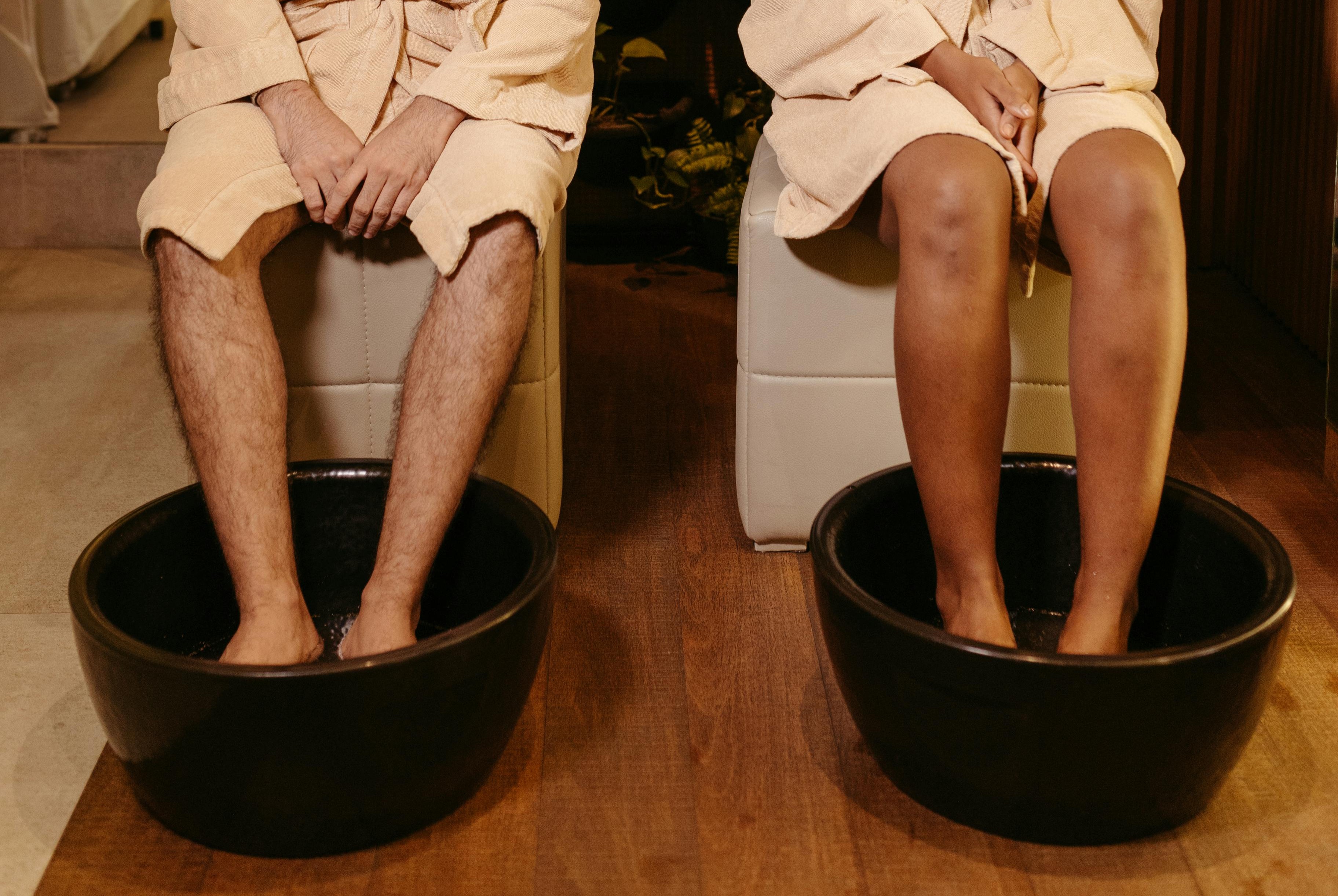
As the cold of the season settles in, our feet often bear the brunt of winter’s chill. Dry skin, tension, and sluggish circulation can leave them feeling tired and sore. One of the simplest and most soothing ways to care for your feet—and yourself—is a nightly foot soak. This easy ritual not only warms the body but also provides a moment of relaxation and self-care at the end of a long day.
Adding herbs like mugwort or ginger can elevate the experience, promoting circulation, easing tension, and leaving your feet soft and refreshed. Whether you’re seeking comfort, stress relief, or a way to pamper your winter-worn feet, a nightly soak can be a small but powerful practice that supports both body and mind throughout the cold season!
What Are the Benefits of a Nightly Foot Soak?

Improved Circulation
A warm foot soak stimulates blood flow, which is especially beneficial during the cold winter months. By immersing your feet in warm water, the vessels dilate, allowing blood to flow more efficiently to extremities that are often prone to coldness and stiffness.
Improved circulation can help reduce swelling, prevent cramps, and even support better sleep by signaling your body to relax. Adding ingredients like ginger or mugwort can further enhance circulation due to their natural warming and invigorating properties. Over time, making a nightly foot soak a habit can contribute to overall lower body warmth, reduced fatigue, and better foot health—perfect for long winter evenings when your feet may feel perpetually cold.
Stress Relief and Relaxation
Soaking your feet at night is a simple yet powerful ritual for mental and emotional wellness. Warm water alone has a calming effect, but combining it with soothing herbs like chamomile, mugwort, or ginger elevates the relaxation experience. The sensation of warmth triggers the release of tension stored in your lower legs and feet, which is particularly helpful if you spend much of your day on your feet or in tight shoes.
Beyond physical relief, this ritual offers a dedicated moment for mindfulness—taking 15 to 20 minutes to pause, breathe deeply, and let the stress of the day melt away. In fact, a study done on a group of women using foot baths noted “significant changes in the measured autonomic responses, indicating a shift to increased parasympathetic and decreased sympathetic activity.”
Healthier Skin and Soft Feet
A nightly foot soak helps soften calluses, prevent dryness, and maintain overall foot health. Warm water hydrates the skin, while mineral salts, essential oils, or herbal additives provide additional nourishment and antibacterial properties. Again, herbs like mugwort and ginger can help detoxify and stimulate the skin, leaving feet feeling silky and refreshed.
For those prone to cracked heels or rough soles, this simple ritual can reduce discomfort over time. Pairing the soak with a gentle scrub or moisturizer afterward can amplify results, making your feet look and feel revitalized. Consistently caring for your feet in this way also helps prevent fungal infections and odor, keeping your winter footwear more comfortable and hygienic.
Why Winter Is the Perfect Time For Foot Soaks

The winter months can be harsh on our bodies. Cold weather slows circulation, tight shoes can cause discomfort, and dry indoor heat dehydrates skin. Soaking your feet nightly during this time provides relief from these winter-related stresses. The warmth helps counteract the chill in your extremities while reducing stiffness and soreness caused by long hours of walking or standing. Herbs further amplify these benefits, naturally warming the body, promoting circulation, and easing tension.
Additionally, winter is often a time for reflection and self-care, making a foot soak an easy ritual to incorporate into your nightly routine. Even a short 15 to 20 minute soak can transform how you feel physically and mentally, helping you start each day more relaxed, refreshed, and energized. For many, this practice sets a calming tone for the remainder of the season.
Herbs That Boost Relaxation and Circulation

We mentioned a few herbs before that can benefit your nightly footsoak, but let’s get into the details of how adding herbs turns a simple routine into a mini wellness ritual!
Mugwort is prized in traditional medicine for its warming properties, which stimulate circulation and ease tension in the legs and feet. Ginger, with its natural anti-inflammatory and warming effects, can relieve sore muscles and help you feel cozy on cold nights. Other herbs, such as chamomile, lavender, and rosemary, offer soothing aromas, calm the nervous system, and promote deep relaxation.
Using these herbs not only enhances the sensory experience but also provides tangible health benefits. The warmth of the water helps release essential compounds from the herbs, allowing your skin to absorb them more effectively. The combination of heat, herbal properties, and relaxation makes this ritual ideal for winter evenings when stress, cold, and fatigue are at their peak. With just a few herbal additions, a simple foot soak can become a holistic self-care practice that rejuvenates both body and mind.
How to Create Your Ideal Foot Soak at Home

Creating a soothing, effective foot soak is easier than you think, and it can be a time-efficient ritual that takes less than half an hour. Here’s how to do it:
- Choose Your Foot Soak Tub – Pick a tub large enough for both feet to soak comfortably. Heated or insulated tubs keep water warm longer, making your soak more relaxing.
- Fill with Warm Water – Fill the tub with water around 100–110°F (38–43°C). Test with your hand to ensure it’s comfortable, not scalding.
- Add Herbs or Soak Packets – Use herbal soaking packets or loose herbs like mugwort, ginger slices, chamomile, or lavender. These enhance relaxation, stimulate circulation, and nourish your skin.
- Optional Additions – Add a few tablespoons of Epsom salt for extra detoxification and softening, or a drop of essential oils for fragrance and calming effects.
- Soak and Relax – Sit comfortably and immerse your feet for 15 to 20 minutes. Breathe deeply, listen to calming music, or practice mindfulness to maximize stress relief.
- Post-Soak Care – Gently pat your feet dry, then apply a rich moisturizer or foot cream to lock in hydration. For extra care, wear soft socks overnight.
By following these steps consistently, your nightly foot soak becomes a simple ritual with lasting physical and mental benefits.
Frequently Asked Questions
Is it okay to soak your feet every night?
Yes! Soaking your feet every night is generally safe for most people and can be a soothing way to relax before bed. Warm water helps soften skin, relieve tension, and create a calming bedtime ritual. Adding herbs like ginger, mugwort, or chamomile can enhance relaxation and provide a gentle warming effect. Just make sure the water is comfortably warm, not hot, and moisturize your feet afterward to prevent dryness.
Why do Chinese people soak their feet before bed?
In Chinese culture, soaking the feet before bed is a long-standing wellness practice rooted in Traditional Chinese Medicine (TCM). The feet contain numerous acupressure points connected to internal organs, and warm water is believed to stimulate circulation, balance energy (Qi), and promote relaxation. Herbal additives are often used to enhance these effects, warming the body and easing tension. This nightly ritual supports better sleep, relieves fatigue, and nurtures overall health.
What is the Japanese foot soaking ritual?
In Japan, foot soaking, or “ashiyu,” is a popular relaxation ritual enjoyed in homes, spas, and public hot springs. Warm water, often infused with herbs or minerals, is used to soothe tired feet, improve circulation, and calm the mind. Ashiyu is typically done in the evening or after long periods of standing, providing a quiet moment of self-care. Many Japanese people pair it with deep breathing or meditation to enhance relaxation and promote restful sleep.
The information provided in this article is for educational purposes only and is not intended as a substitute for professional medical advice, diagnosis, or treatment. Always seek the guidance of your physician or other qualified health provider with any questions you may have regarding a medical condition. Never disregard professional medical advice or delay in seeking it because of something you have read in this article.
Leave a Reply