
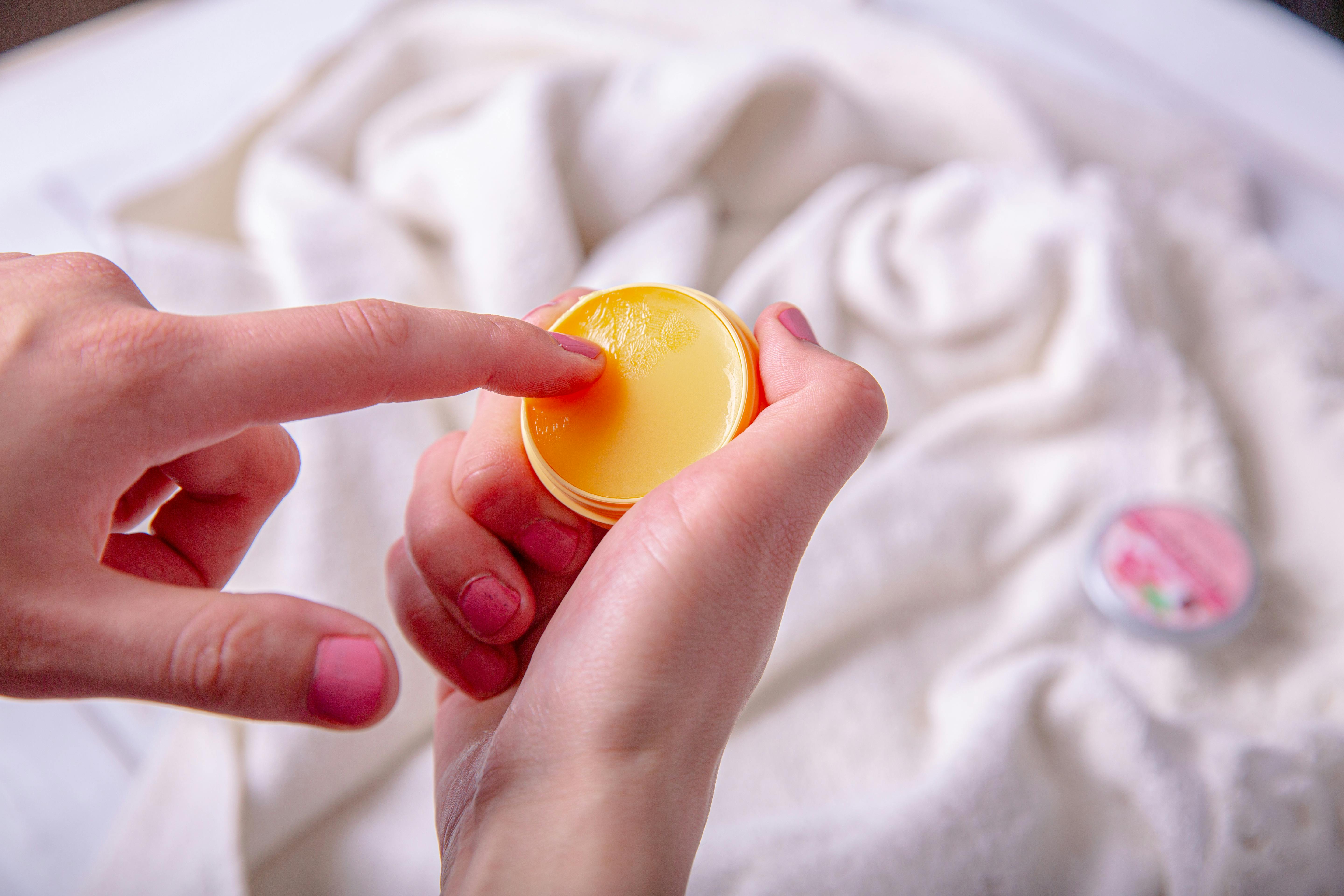
Muscle soreness can show up after a tough workout, long day on your feet, or repetitive strain. Many people turn to topical remedies for quick relief in these circumstances. Two popular Traditional Chinese Medicine (TCM) liniments, Tiger Balm and Po Sum On, are commonly used to ease tension, reduce discomfort, and support recovery. While they share some similarities, their ingredients, sensations, and ideal uses differ.
Keep reading to understand how each works to help you choose the best option for relieving your sore muscles!
What is Tiger Balm?
Tiger Balm is one of the most widely recognized topical liniments in both Traditional Chinese Medicine (TCM) and Western over-the-counter pain relief. Originally developed in the late 1800s, it has become a global staple for relieving muscle soreness, joint pain, and tension headaches.
At its core, Tiger Balm is a counterirritant-based topical analgesic, meaning it doesn’t directly “fix” the underlying injury but instead alters how your body perceives pain. Its primary active ingredients—menthol and camphor—stimulate temperature-sensitive nerve receptors in the skin, creating a cooling and warming sensation that can override pain signals.
Additional ingredients like methyl salicylate (a compound related to aspirin), clove oil, and cajuput oil may enhance its analgesic and anti-inflammatory effects.
From a research perspective, studies suggest that menthol and camphor may increase local blood flow and produce analgesic effects through sensory modulation. Also, a clinical trial published on PubMed shared that “There was a statistically significant difference (p < 0.05) in headache relief between Tiger Balm and placebo.” This highlights its real (though modest) therapeutic potential.
In TCM terms, Tiger Balm is considered warming and dispersing, helping to move Qi and Blood in areas of stagnation. It is especially useful for acute soreness, stiffness, and “cold-type” muscle pain.
What is Po Sum On?
Po Sum On Oil (also called Bao Xin An) is a traditional Chinese herbal liniment originating from Hong Kong, with a history dating back to the early 1900s. While less globally famous than Tiger Balm, it is widely used in acupuncture clinics and TCM practices for musculoskeletal pain and general discomfort.
Unlike Tiger Balm, which is typically a thicker ointment, Po Sum On is a light, fast-absorbing medicated oil, making it especially popular for massage and larger surface areas.
Its primary active ingredient is menthol (around 15%), which provides cooling and analgesic effects similar to those of Tiger Balm. However, what sets Po Sum On apart is its broader herbal composition, which often includes:
- Peppermint oil (high concentration)
- Cinnamon oil (warming)
- Dragon’s blood resin (traditionally used to invigorate blood)
- Skullcap and licorice root (anti-inflammatory support)
- Tea (camellia) oil as a carrier
In TCM theory, Po Sum On is considered both warming and moving, while being slightly more balanced than Tiger Balm. It may promote circulation and relieve stagnation, and it can be used for a wider range of conditions, from sore muscles to mild abdominal discomfort and even cold-related symptoms.
Its oil-based format allows for deeper penetration during massage, which is why it’s often preferred by practitioners for chronic tension and recovery work.
How These Liniments Help With Sore Muscles
Both Tiger Balm and Po Sum On work through a combination of neurological and circulatory effects, rather than directly repairing muscle tissue.
The primary mechanism is counterirritation. Ingredients like menthol and camphor activate cold and heat receptors in the skin, which can “override” pain signals being sent to the brain. This creates a temporary reduction in perceived pain and stiffness.
Additionally, these liniments may help with the following:
- Increasing local blood flow (helping deliver oxygen and nutrients)
- Reducing muscle tightness through sensory stimulation
- Creating a warming effect that improves tissue elasticity
There’s also some potential evidence that topical compounds like menthol interact with pain pathways and receptors, contributing to analgesic effects beyond simple distraction.
Po Sum On may have a slight edge for circulation due to its oil base and herbal additions like cinnamon and dragon’s blood, which are traditionally used to “move blood.” Meanwhile, Tiger Balm’s inclusion of methyl salicylate gives it a slightly stronger anti-inflammatory profile.
Ultimately, both are best viewed as symptom relievers, not treatments for underlying muscle damage, and results may vary depending on the user.
What Results Should You Realistically Expect?
It’s important to set realistic expectations: neither Tiger Balm nor Po Sum On will “heal” sore muscles in the way rest, nutrition, and proper training do.
What they can do is provide temporary pain relief (30 minutes to a few hours), reduce the sensation of stiffness, and make movement feel easier during recovery.
Scientific evidence supports modest benefits. For example, as we mentioned before, topical analgesics like those found in Tiger Balm have shown effectiveness compared to a placebo, but not dramatically superior to standard medications in all cases.
You should not expect:
- Faster muscle repair
- Reduced soreness duration (DOMS timeline)
- Treatment of serious injuries
Instead, think of these liniments as tools for comfort and function. They can help you feel better, which may allow you to move more normally, indirectly supporting recovery. For best results, they’re often combined with light movement or mobility work, heat therapy (separately, not simultaneously), or massage.
Why Individual Results May Vary
One of the most interesting aspects of liniments is how individual the response can be.
Several factors influence effectiveness:
1. Skin sensitivity and receptor response: Some people are more responsive to menthol and camphor, meaning they feel stronger relief.
2. Type of soreness: Those with acute, superficial soreness often respond well, while those with deep, structural pain have a less noticeable effect.
3. Psychological perception: Because these products work partly through sensory distraction, expectation and familiarity can play a role in how effective they feel.
4. Application method: Po Sum On, for example, may feel more effective when paired with massage due to its oil base, while Tiger Balm is often used as a quick topical rub.
5. Ingredient tolerance: Some people find Tiger Balm too intense (due to camphor and methyl salicylate), while others feel Po Sum On is too mild.
This variability is why some athletes swear by one product while others feel little difference. It’s not always about which product you choose, but rather the person and context.
How to Choose Between Tiger Balm and Po Sum On
Choosing between Tiger Balm and Po Sum On comes down to your specific needs, preferences, and how you plan to use the liniment.
Choose Tiger Balm if you:
- Want stronger, more intense sensations
- Prefer a thicker balm for targeted spots
- Are dealing with sharper or more acute soreness
- Want a slightly more “medicated” feel
Choose Po Sum On if you:
- Prefer a lighter oil for massage or larger areas
- Want a more balanced, less intense sensation
- Are dealing with chronic tightness or stiffness
- Value traditional herbal formulations
In practical terms:
- Post-workout recovery (massage, large areas): Po Sum On
- Quick relief for a specific sore spot: Tiger Balm
There’s no “better” option universally; they’re just different tools, and it may be worth trying them both to see how they affect you. Many practitioners and athletes actually keep both on hand and use them in different situations. Consult with an herbalist or primary health practitioner for guidance to determine what is best for you.
The information provided in this article is for educational purposes only and is not intended as a substitute for professional medical advice, diagnosis, or treatment. Always seek the guidance of your physician or other qualified health provider with any questions you may have regarding a medical condition. Never disregard professional medical advice or delay in seeking it because of something you have read in this article.
Leave a Reply